Sri Lanka, the “Pearl of the Indian Ocean,” is currently witnessing a transformative era where its ancient heritage is being rediscovered through the lens of modern sustainability and international collaboration.
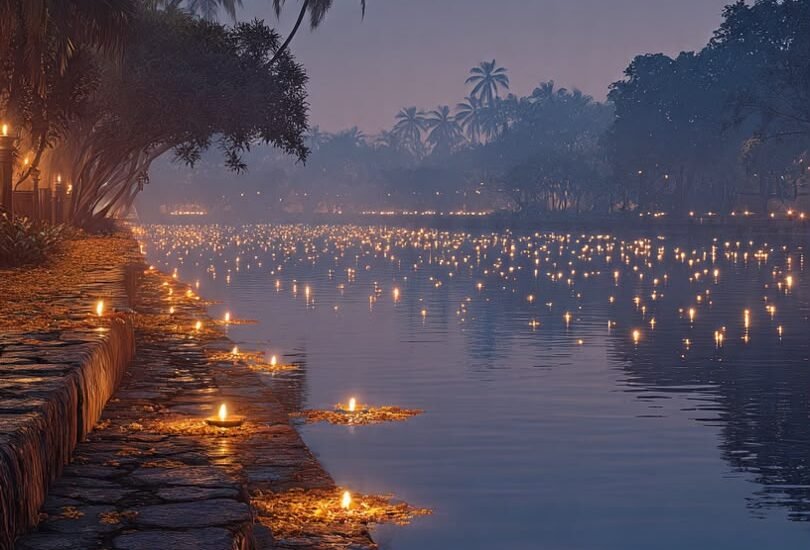
Central to this new chapter of discovery is the country’s vast network of 103 river basins, which serve as the lifelines for both its ecological diversity and its cultural identity.
A New Era of Eco-Discovery
The discovery of Sri Lanka today goes beyond its famous coastline. It is now focused on the deep interior watersheds that are being revitalized through global initiatives like the International Festival of Rivers (IFOR). This movement is turning the island’s rivers into centers for sustainable eco-tourism, allowing travelers to discover:
- Living River Models: Low-impact tourism experiences that prioritize river health while supporting local riverside communities.
- Biodiversity Hotspots: Guided treks and river safaris that highlight the unique flora and fauna supported by Sri Lanka’s diverse topography.
- Zero-Waste Cultural Hubs: Smart, data-driven festivals that allow for massive public gatherings without the ecological footprint typical of traditional mass tourism.
Bridging Ancient Wisdom and Modern Science
Modern discovery in Sri Lanka is characterized by a “Smart Logistics” approach to conservation. The IFOR Sri Lanka chapter is actively integrating real-time monitoring technology with the island’s traditional water-keeping wisdom.
This effort includes:
- Youth Mobilization: Training a “Youth Green Corps” to become the next generation of environmental communicators.
- Cultural Reclamation: Honoring local community leaders and artists who maintain ancestral bonds with their local rivers, ensuring that these traditions are not lost to history.
- Endurance for Awareness: Utilizing high-visibility events like eco-marathons and relay runs to engage the public in the protection of their natural heritage.
The Roadmap to Sustainability
The ultimate discovery for Sri Lanka is the realization that economic progress and environmental sanctity are not mutually exclusive. Through the 5-to-10-year roadmap established by international partnerships, the nation is positioning itself as a global leader in Eco-Dharma—the duty to protect and sustain the natural world.
As Sri Lanka continues to open its river basins to the world, it invites a new kind of explorer: one who seeks to discover not just a destination, but a harmonious way of living that ensures these lifelines flow clean and vibrant for generations to come.